In Praise of Severus Snape
“Everyone should keep their eye on Snape, I'll just say that, because there's more to him than meets the eye.” – JK Rowling, 1999
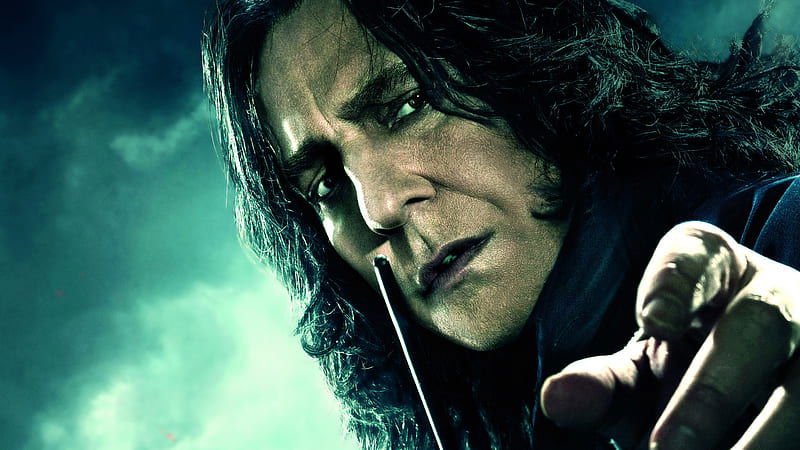

Fifteen years ago today, audiences witnessed the final battle between Harry Potter and Lord Voldemort in Harry Potter and the Deathly Hallows Part 2. As the film adaptations of JK Rowling’s beloved book series drew to a close after a decade, few characters carried more anticipation among fans than Professor Severus Snape.
Played masterfully by the late Alan Rickman, Snape captivated audiences with his iconic sneer, black wardrobe, and murky loyalties. For years fans debated whether he was a hero or a villain, and on July 15, 2011, they got their answer: Snape was a double agent, secretly working with Dumbledore the whole time to bring about Voldemort's downfall.
This massive reveal changed everything fans thought they knew about the character. Many former Snape detractors revisited the series with new eyes, praising his layered character arc. Yet a vocal portion of the fanbase still refuses to forgive him, arguing that years of sacrifice cannot erase a long record of bullying.
I won't deny Snape was a cruel teacher. But his harshest critics tend to miss the greater picture, so let me offer some vindication.
Defense Against the Dark Arts
"Snape was trying to save me?" — Harry Potter (Harry Potter and the Philosopher’s Stone)
From the moment Harry first spots Snape across the Great Hall, a mutual animosity is born. Snape wastes no time humiliating Harry in their first Potions class and bullying Gryffindors at every opportunity. In particular, Snape torments poor Neville Longbottom so relentlessly he becomes his literal worst fear.
This behavior rightfully angers fans, especially those who have experienced real life teachers taking sadistic pleasure in singling out students. But in the grand scheme of things, Snape's pettiness is secondary to his greater purpose: keeping Harry alive. Throughout the series a clear pattern emerges: Snape loathes Harry yet protects him all the same.
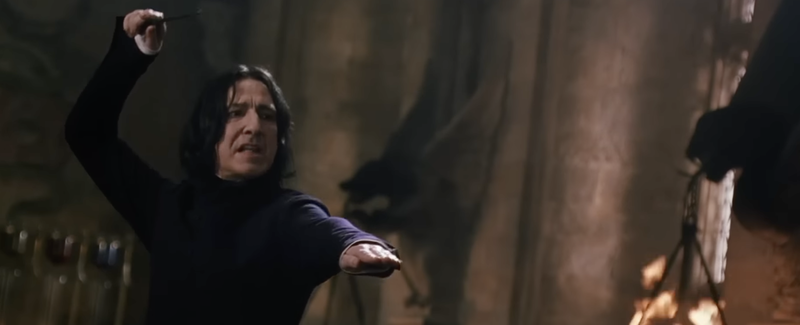
The Jinxed Broom (Philosopher’s Stone): When Harry's broom tries to throw him off during a Quidditch match, Ron and Hermione assume Snape is responsible. In truth he was muttering a counter-curse to stop the real culprit Professor Quirrell.
Harry's Signature Spell (Chamber of Secrets): At the Duelling Club, Snape demonstrates the Disarming Charm Expelliarmus inadvertently handing Harry the spell that becomes his trademark weapon against Voldemort.
Occlumency (Order of the Phoenix): Snape teaches Harry to shield his mind from Voldemort's psychic intrusions. Although their mutual hatred derails the lessons, Snape's intent was to strengthen Harry's defenses.
“He’s got Padfoot!” (Order of the Phoenix): When Umbridge interrogates Harry, he shouts a cryptic warning about Sirius held captive by Voldemort at the Ministry of Magic. Snape plays dumb to protect Harry's cover, then immediately alerts the Order of the Phoenix.
Fighting for the good guys doesn't require being pleasant to the hero. Snape is a nasty piece of work but he nonetheless played his part.
The Ultimate Double Agent
"Over the years I've played my part well. So well I've deceived one of the greatest wizards of all time." — Severus Snape (Harry Potter and the Half-Blood Prince)
The real-world debate over Snape's loyalty mirrors Harry's own internal struggle throughout the series. Harry suspects Snape of treason, gets proven wrong, and keeps looking for reasons to justify his instincts.
The first major hint of Snape's double life arrives in Harry Potter and the Goblet of Fire, when Harry witnesses Igor Karkaroff's trial in Dumbledore's Pensieve and hears Snape named as a Death Eater. Dumbledore immediately defends him, noting that Snape turned spy for the Order of the Phoenix at great personal risk.
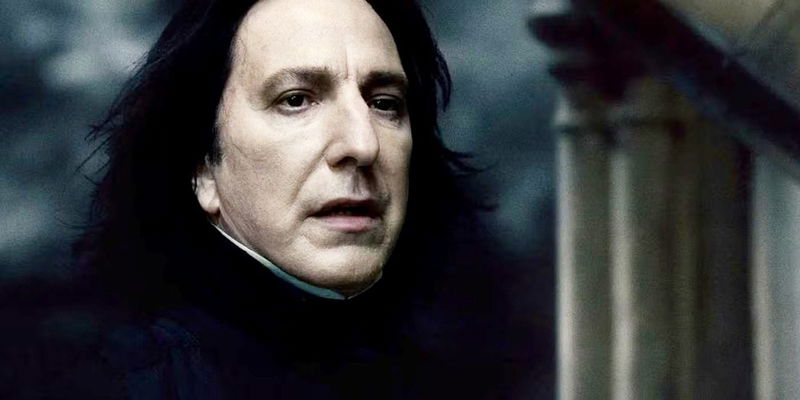
Snape’s test of character peaks in Harry Potter and the Half-Blood Prince, when he makes the Unbreakable Vow to protect Draco Malfoy and act as a failsafe in Dumbledore's murder. The moment Snape cast Avada Kedavra on the Astronomy Tower, it ignited the fanbase's fiercest debate. Snape haters called it confirmation of his true nature, while Snape defenders urged patience, knowing Rowling rarely lets things be what they appear.
By Harry Potter and the Deathly Hallows, the truth vindicated the latter. Snape had been playing the ultimate long game, appearing loyal to Voldemort while covertly giving Harry everything he needed to win. And at the time of his death, Voldemort never once suspected him.
The Silver Doe
"After all this time?"
"Always." — Albus Dumbledore & Severus Snape (Harry Potter and the Deathly Hallows Part 2)
At the core of Snape's psychology lies one driving force: his tragic, unrequited love for Lily Evans.
Growing up in an abusive home, young Severus finds comfort only in his friendship with Lily. That friendship unravels at Hogwarts, first through James Potter's relentless bullying, then through a defining moment unfortunately cut from the films: during one of James's attacks, Lily tries to defend Snape, only for him to lash out and call her a Mudblood. It ends their friendship and haunts him for the rest of his life.
Bitter and drawn to dark influences, Snape becomes a Death Eater. When he overhears a prophecy about a boy destined to destroy Voldemort, he brings the information to the Dark Lord, unknowingly putting a target on Lily's back.
Snape’s initial reaction is purely selfish, begging Voldemort to spare Lily while giving no thought to James or infant Harry. Dumbledore calls him out on this with well-deserved disgust.
But this becomes Snape's turning point. He pledges himself to Dumbledore and dedicates the rest of his life to protecting Lily's son as penance.
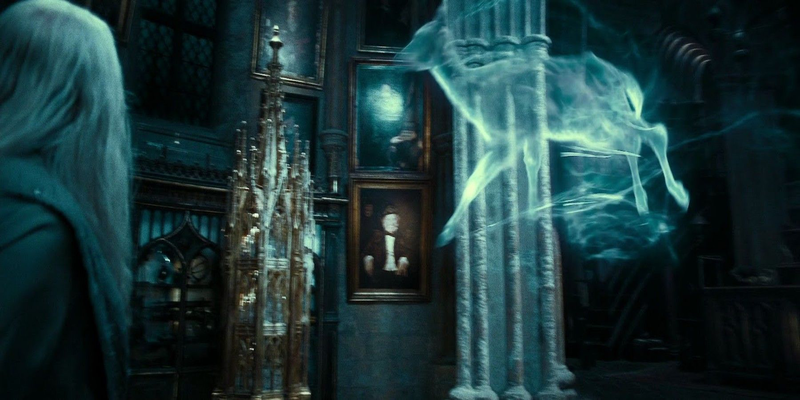
The full weight of this commitment is revealed when Harry views Snape's memories in the Pensieve and witnesses his fury at Dumbledore for raising Harry "like a pig for slaughter." To prove what still drives him, Snape casts his Patronus. It is a silver doe: his love for Lily still unchanged and still holding. And from that, the exchange above continues to be one of the most beloved moments in the entire series.
Denouement
In the epilogue Harry names his son Albus Severus Potter, displaying the ultimate act of forgiveness. Looking past years of classroom cruelty, Harry recognizes the impossible burden Snape carried alone and calls him "the bravest man I ever knew."
Snape was never a traditional hero. He was bitter, biased, and deeply flawed. But the sacrifices he made altered the course of the Wizarding World, and he will forever be remembered as both devil and angel.
Was Snape a redeemed hero deserving of grace, or do his years of bullying make him forever irredeemable? Let me know what you think in the comments below.

Comments
No comments yet. Be the first to comment!